A mail carrier finishing a Tuesday route through Land Park does not expect the day to end in an emergency room. Delivery drivers, utility workers, and neighbors walking through McKinley Park or along a quiet Curtis Park block all face the same basic risk: a dog that gets loose, or was never properly contained.
A dog bite lawyer Sacramento CA residents contact after an attack usually wants to know whether the dog's history matters. Under California law, it largely does not. Rawlins Law Accident & Injury Attorneys, a Sacramento personal injury attorney team that reviews every dog bite claim individually, represents injured residents across the city's parks, neighborhoods, and apartment communities.
A first call costs nothing and carries no obligation. Call 858-529-5872 for a free case review.
Experience the Ashley Advantage
Contact Us 24/7 for a Free Case Evaluation
Table of contents
- Sacramento's Mix of Yards, Parks, and Alleys
- Does California Ask Whether the Dog Was Known to Be Dangerous?
- Where Does Strict Liability Reach Its Limit?
- Rentals, Duplexes, and Who Actually Answers for the Bite
- Beyond Bites: The Injuries We See Most
- What Happens When a Runner or Cyclist Is Hurt on the River Trail?
- How Long Do You Have to File a Sacramento Dog Bite Claim?
- How Rawlins Law Handles Sacramento Bite Cases
- FAQs: Dog Bite Lawyer Sacramento CA
- Talk to Our Sacramento Dog Bite Team
Sacramento's Mix of Yards, Parks, and Alleys
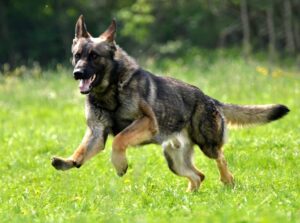
Sacramento's older neighborhoods, East Sacramento, Curtis Park, Land Park, and the Pocket, were built with detached garages, alley access, and yards enclosed by fencing that has stood for decades. That creates specific risk: a gate hinge that finally gives out, or a side fence with a gap wide enough for a determined dog, can turn a routine walk into a serious injury. Newer neighborhoods on the city's edges have sturdier fencing, but also larger yards and, often, larger dogs.
The city's parks add another layer. McKinley Park, William Land Park, and the green space along the river trails see heavy foot traffic from joggers, families, and dog owners, sharing paths and open lawns where an unleashed dog can reach a stranger before anyone reacts. Those are also the places where the county leash rule discussed below does most of its work.
Does California Ask Whether the Dog Was Known to Be Dangerous?
No. Under California Civil Code Section 3342, a dog owner is financially responsible for injuries caused by a bite regardless of whether the dog had ever shown aggression before. A California dog bite lawyer Sacramento families call will tell you this differs from the "one-bite" approach some states still follow, where an injured person must prove the owner knew, or should have known, the dog was dangerous.
If the bite happened while the injured person was lawfully present, in a public place or lawfully on private property, the owner bears responsibility. That changes how a Sacramento dog attack attorney approaches these cases compared to a car accident claim, because fault rarely needs to be argued from scratch. The real work is proving the extent of the injury and locating every applicable policy, which is where most of a bite case is won.
The statute also reaches bites on the owner's own property, not just public streets or parks. A guest visiting for a barbecue, a contractor repairing a roof, or a delivery driver dropping a package all count as lawfully present. A bite in any of those situations still falls under strict liability rather than a separate legal theory.
If that describes what happened to you, call 858-529-5872 and we will walk through it.
Where Does Strict Liability Reach Its Limit?
Three situations can complicate an otherwise straightforward claim. A person trespassing on the dog owner's property at the time of the bite generally falls outside the statute's protection, though a separate negligence theory might still apply. A person who provoked the dog, through hitting, teasing, or cornering it, can lose the benefit of strict liability for that incident.
A police or military dog acting within an official duty carries its own narrow exception, which the statute addresses directly. Outside these three situations, a Sacramento dog bite case generally moves forward on the strength of the bite itself and the injured person's lawful presence. Prior knowledge does not have to be proven.
A defense raised early, before an investigation has happened, does not end a claim. A trespass defense in particular can fail if the injured person had implied permission to be on the property, such as a regular visitor welcomed onto the premises before without objection.
Rentals, Duplexes, and Who Actually Answers for the Bite
Sacramento's rental housing, from converted duplexes near midtown to larger complexes along the highway corridors, changes who answers for a bite. When a tenant's dog bites someone, a landlord who knew about a dangerous animal and did nothing can face separate liability under ordinary negligence, distinct from the tenant's own strict liability as the owner. Property managers overseeing larger complexes sometimes carry their own commercial policies that factor into a claim.
Renters insurance, rather than a homeowner's policy, frequently covers the payout in these situations. Identifying which policy applies, and whether a second layer of coverage sits behind it, takes more digging in a rental case than when a single homeowner owns both the property and the dog.
Lease agreements matter more than expected. A property manager who required tenants to disclose pets, and who received notice of a dog with a known bite history, has a harder time arguing there was no reason to intervene. Reviewing that paper trail early can uncover liability that would otherwise stay hidden behind the tenant's coverage.
Beyond Bites: The Injuries We See Most
Not every dog-related injury involves teeth. A Sacramento accident and injury attorney regularly handles cases where a dog knocked an elderly resident down porch steps, jumped hard enough on a small child to cause a serious injury, or dragged its owner into the path of a passing cyclist. These claims typically proceed under ordinary negligence rather than the strict liability statute, since Civil Code 3342 applies specifically to bites.
The underlying question stays the same: did the owner fail to reasonably control the animal, and did that failure cause the injury. Multiple-dog households come up with some regularity in older neighborhoods, where several properties along a shared alley or fence line may each keep dogs. When more than one animal is involved, sorting out which owner bears what share of responsibility becomes part of building the case.
Non-bite claims involving children usually turn on whether a reasonable owner should have anticipated the dog's excitement and taken steps to prevent it, such as keeping the dog leashed or crated during a visit.
What Happens When a Runner or Cyclist Is Hurt on the River Trail?
The claim proceeds under ordinary negligence, and the absence of a bite does not defeat it. Sacramento's mild climate keeps the American River Parkway and neighborhood parks busy nearly year-round, and pedestrians and outdoor injury cases in Sacramento involving loose dogs make up a real share of what we handle. A cyclist on the river trail who swerves to avoid a dog that slipped its leash can go down hard without ever being bitten.
A runner startled by a dog charging a low fence can be seriously hurt with no bite mark to point to. Because these incidents leave less physical evidence than a bite, documenting how the dog got loose, a broken latch, an open gate, a leash that snapped, matters as much as the injury itself. Photographs of the fence line taken soon after can carry real weight, since property owners often make repairs quickly.
The parkway's shared-use trails create a pattern worth understanding. Cyclists have less time than pedestrians to react to a loose dog darting from the brush along the trail edge, and a fall at speed tends to produce a more serious claim than a similar incident on a sidewalk.
How Long Do You Have to File a Sacramento Dog Bite Claim?
Two years from the date of the incident, under California Code of Civil Procedure Section 335.1. A claim against a government entity runs on a much shorter track and generally requires a formal claim within six months under Government Code Section 911.2. Missing either window can end an otherwise strong case.
On top of state law, Sacramento County Code Section 8.08.056 bars an owner from letting a dog stray off their property unless it is restrained by a leash no longer than eight feet, and the City of Sacramento maintains its own restraint requirement within city limits. A dog running at large in violation of either rule at the time of a bite adds a negligence per se argument, meaning the violation of a safety law itself helps establish carelessness, on top of the strict liability claim already available.
Sacramento County Animal Care Services also runs a dangerous dog designation process separate from the leash ordinance. A dog previously flagged through that formal process before a later bite becomes documented evidence once a claim moves toward settlement.
How Rawlins Law Handles Sacramento Bite Cases

Ashley Rawlins, also known as Car Crash Ash, built Rawlins Law around individual case review rather than a settlement formula, which shows in how we handle claims other offices decline over disputed liability. We are a female-owned firm, we stay personally involved from the first call through resolution, and we negotiate professionally and with full documentation. Our Sacramento office at 500 Capitol Mall, Suite 2350, serves families throughout the city.
We prepare every claim as though it may need to be tried in Sacramento County Superior Court, and we travel to meet clients who cannot easily leave home during recovery. Every intake starts with a review of the property where the incident happened, not just the dog's history, since a landlord's records can matter as much to the outcome as the animal involved. We apply no minimum case value, so a claim another office turned down still gets a real review here.
You will hear an honest read on what your claim involves and what it does not, in language that makes sense the first time. Call 858-529-5872 for a free case review.
FAQs: Dog Bite Lawyer Sacramento CA
These are the questions Sacramento families ask most often in the first call after a bite.
The dog that bit me belongs to my neighbor. Do I have to sue them personally?
Not in the way most people fear. Claims typically get paid through the owner's homeowner's or renter's insurance, so the financial exposure falls on the insurer rather than your neighbor directly. That worry is the single most common reason people never call us at all, and it is usually misplaced.
What if I cannot identify the exact dog or owner involved?
Animal control reports, neighborhood witnesses, and doorbell footage from nearby homes can often identify the responsible party even without confirmation at the scene. Sacramento County Animal Care Services keeps incident records we can request, and a report filed the same week is far easier to trace than one filed months later.
Does it matter if the bite happened while I was on a run through a city park?
No. Strict liability applies as long as you were lawfully present, which almost any member of the public visiting during open hours would be. A park bite is treated the same as one on a sidewalk or in a private yard, provided you had a right to be where you were standing.
Can a dog bite injury claim Sacramento residents file include future costs, not just what has already been spent?
Yes. Future care, lost earning capacity, and the ongoing effect of permanent scarring can all factor into a claim's value when they are properly documented. A claim settled before those future costs are understood cannot be reopened later, which is why timing matters.
What if the dog has bitten someone before, according to a prior animal control report?
That history can strengthen a claim, particularly against a landlord or property manager who knew about it and did nothing. It is not required to establish the owner's liability, since Civil Code 3342 applies regardless of what the owner knew about the animal.
Will my case go to trial?
Most bite claims settle through negotiation. Rawlins Law still prepares every case as though it might reach a courtroom, because a claim that is genuinely ready to be tried tends to be evaluated more seriously. We will tell you which path we think your case is on.
Is there a cost to speak with Rawlins Law about a dog bite case?
No. Consultations are free, and we work on contingency, which means our fee is a percentage of what we recover and comes out of that recovery rather than out of your pocket. If we recover nothing on your behalf, you owe us no attorney fee.
Talk to Our Sacramento Dog Bite Team

A serious dog attack can leave permanent scarring and a lasting wariness around animals, and California law places responsibility on the owner rather than on the person who got hurt. Rawlins Law reviews every Sacramento dog bite claim individually, tracks down every available insurance policy, and stays personally involved from your first call through resolution. There is no charge to find out where you stand.
Call 858-529-5872 or visit our office at 500 Capitol Mall, Suite 2350, for a free case review. We will tell you honestly whether you have a dog bite claim worth bringing.


