Do I Need a San Ysidro Uber Accident Lawyer if I Was Injured in a Rideshare Accident at the Border?
Accidents in the San Ysidro Port of Entry drop-off zones often involve clear driver negligence even though the traffic environment feels chaotic and unpredictable.
Pedestrians hit in drop-off zones near the San Ysidro Port of Entry may pursue claims against the rideshare driver, another motorist, or both.
Rideshare accidents in the San Ysidro Port of Entry drop-off zones happen in one of the most congested and unpredictable traffic environments in California.
A San Ysidro Uber accident lawyer understands that the chaos near the port of entry creates specific patterns of negligence that repeat daily, from sudden stops in drop-off zones to illegal U-turns across backed-up traffic lanes.
Uber and Lyft drivers who make unsafe decisions in heavy border traffic are held to the same standard of care as any other driver on any other California road. When those decisions cause injuries, the people who are hurt have the right to pursue compensation. An experienced rideshare accident lawyer can help injured passengers and pedestrians document the negligent act, identify every responsible party, and pursue the full compensation available under California law.
Key Takeaways for Rideshare Accidents Near the San Ysidro Border
- Traffic near the San Ysidro Port of Entry follows predictable patterns of disorder, including sudden stops, illegal U-turns, and lane blocking, that create foreseeable accident risks.
- California's pure comparative negligence rule under Civil Code Section 1714 assigns fault based on each party's actions, even when multiple drivers and pedestrians are involved.
- Rideshare drivers who stop in traffic lanes, block pedestrian areas, or make unsafe maneuvers near the border may be liable for negligence regardless of how congested the area is.
- Uber and Lyft's $1 million commercial policy applies during active rides under California Public Utilities Code Section 5433, including rides near the border crossing.
- California's statute of limitations for personal injury claims is two years under Code of Civil Procedure Section 335.1.
What Happens in a Rideshare Accident at the San Ysidro Border Crossing?
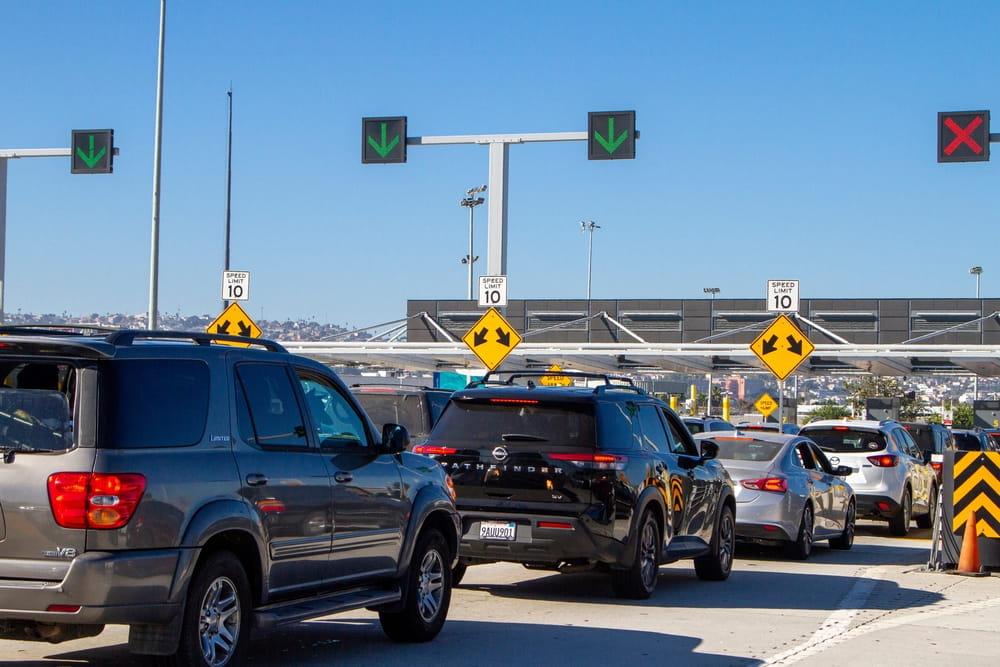
Fault is determined by each driver's actions, not by the overall traffic conditions. A rideshare accident at the border crossing follows the same California negligence rules that apply anywhere in the state. The difference is the environment, which involves more variables and more potential parties than a typical intersection collision.
The San Ysidro area concentrates rideshare pickups, drop-offs, pedestrian crossings, and heavy vehicle traffic in a compressed space. Uber and Lyft drivers navigate this environment while managing the app, searching for passengers, and responding to constantly shifting traffic.
Border traffic accidents often involve multiple contributing factors and overlapping parties, which makes sorting through fault more complex than in a standard collision. Clear evidence of what each person did at the moment of the crash becomes essential.
Why Is Traffic at the San Ysidro Port of Entry So Dangerous?
Traffic at the San Ysidro Port of Entry is dangerous because it combines extreme congestion, unpredictable driver behavior, and heavy pedestrian activity in a small area with limited infrastructure to separate these movements safely.
What Driving Behaviors Create the Highest Risk?
The same unsafe behaviors repeat near the border crossing every day. Each one creates a foreseeable hazard for passengers, pedestrians, and other drivers.
| Behavior | Why It Is Dangerous | Liability Impact |
|---|---|---|
| Sudden stops in traffic lanes | Rear-end collisions, pedestrian exposure | Driver negligence |
| Illegal U-turns | Unexpected movement across lanes | High fault |
| Blocking lanes for pickups/drop-offs | Forces other vehicles into unsafe passing | Shared liability |
| Dropping passengers in active traffic | Exposes passengers and pedestrians | Strong negligence claim |
These behaviors follow predictable patterns during peak border traffic hours. That predictability strengthens negligence claims because the risk is foreseeable.
How Does Rideshare Activity Add to the Risk?
Rideshare activity adds to the risk because Uber and Lyft drivers near the border face competing pressures. They need to find passengers in a congested area, manage the app, and complete pickups quickly.
These pressures lead to rushed stops, poorly chosen drop-off locations, and maneuvers that put others at risk. A Lyft accident at the border often traces back to one of these hurried decisions.
Who Is at Fault in a Lyft Accident at the Border?
Fault in a Lyft or Uber accident at the border depends on the specific actions of each person involved, not on the general traffic conditions. California's comparative negligence system assigns each party a percentage of responsibility based on what they did or failed to do.
Multiple parties may share fault in a border traffic accident. Each one may carry liability based on their role in the collision.
| Party | Possible Role | Key Issue |
|---|---|---|
| Rideshare driver | Unsafe stop, sudden maneuver, distraction | Negligence |
| Other driver | Speeding, following too closely, distraction | Shared fault |
| Pedestrian | Stepping into traffic unexpectedly | Comparative fault |
When Is the Rideshare Driver Primarily at Fault?
The rideshare driver bears primary fault when their specific decision created the danger. Stopping in an active traffic lane to drop off a passenger near the border, making an illegal U-turn to reach a pickup point, or pulling into a pedestrian-heavy area without checking for foot traffic all create liability for the driver who made the choice.
The congestion around the driver does not excuse the decision. Choosing an unsafe stop because it was convenient does not meet the standard of reasonable care.
When Do Other Drivers Share Fault?
A passing driver who rear-ends a suddenly stopped rideshare vehicle may also bear fault, especially if they were following too closely, speeding, or distracted. Border traffic moves in unpredictable bursts, and drivers who fail to maintain safe following distances contribute to collisions even when the rideshare driver's stop was the initial cause.
Can a Rideshare Driver Be Negligent in Heavy Border Traffic?
Heavy traffic does not lower the standard of care. A rideshare driver in congested border traffic must still make reasonable decisions about where to stop, how to maneuver, and when to discharge passengers. The fact that other drivers are also behaving unpredictably does not excuse additional negligence.
California negligence law asks whether a reasonably careful driver would have made the same choice under the same conditions.
A reasonably careful driver would not stop in an active lane to drop off a passenger when a safer alternative exists a block away. A reasonably careful driver would not make an illegal U-turn across three lanes of backed-up traffic to reach a pickup location.
A driver who knows the area is dangerous and still makes an unsafe choice has even less justification for the decision. The risk was not just foreseeable, it was obvious.
What Happens When a Pedestrian Is Hit in a Drop-Off Zone?
A pedestrian hit in a drop-off zone near the San Ysidro border may pursue a claim against the rideshare driver, another motorist, or both depending on the circumstances. Pedestrian accidents in these zones are common because riders exit vehicles in areas that are not designed for safe passenger discharge.
Why Are Border Drop-Off Zones Dangerous for Pedestrians?
Border drop-off zones are dangerous for pedestrians because they mix vehicle traffic, rideshare stops, and foot traffic in tight spaces. Passengers exiting Uber and Lyft vehicles step directly into areas where other cars are moving.
Several recurring conditions increase the risk of pedestrian injuries near border drop-off zones.
- Vehicles stopping in unmarked areas: Rideshare drivers often pull over wherever space appears, even if the location is not a designated stop.
- Passengers exiting into traffic: Riders open doors into active lanes or step out between vehicles without a clear path to the sidewalk.
- Limited pedestrian infrastructure: Many areas near the border crossing lack sidewalks, crosswalks, or barriers that separate foot traffic from vehicle traffic.
- Driver distraction: Motorists focused on navigating congestion may not see pedestrians who appear suddenly between stopped vehicles.
These conditions make a pedestrian hit in a drop-off zone near the border a foreseeable event, not a freak accident. That foreseeability is central to the negligence analysis.
How Do You Prove Fault in a Chaotic Border Traffic Accident?
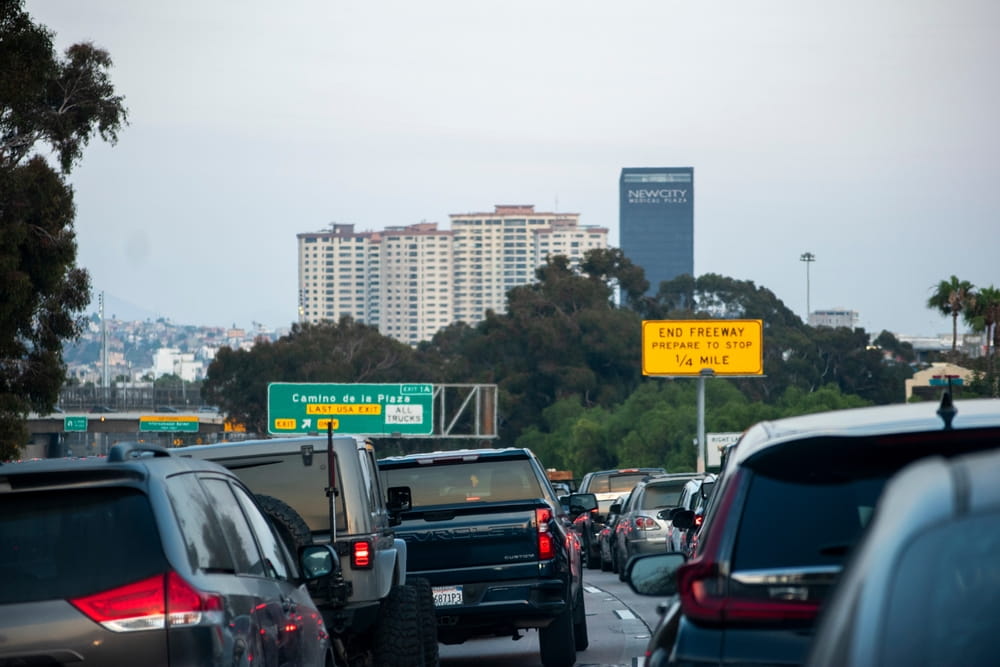
Fault in a chaotic border traffic accident is proven through evidence that isolates specific negligent actions from the general congestion. The chaos requires clearer documentation to separate one driver's choices from the surrounding disorder.
Several types of evidence help establish fault in border-area rideshare accidents. Each one narrows the focus from the overall traffic environment to the specific actions that caused the injury.
- Dashcam and surveillance footage: Cameras on nearby buildings, border infrastructure, and other vehicles may capture the rideshare driver's maneuver, the point of impact, and the positions of other vehicles and pedestrians.
- Rideshare app data: Trip records, GPS tracking, and driver activity logs from Uber or Lyft establish where the driver stopped, the route taken, and the timing of the pickup or drop-off.
- Police report: The Chula Vista Police Department or California Highway Patrol documents the collision, including officer observations, driver statements, and any citations.
- Witness statements: Other passengers, pedestrians, and drivers who saw the accident provide independent accounts that help reconstruct the sequence of events.
- Physical evidence: Skid marks, vehicle damage patterns, and the final positions of the vehicles involved help establish speed, direction, and point of impact.
The goal is to show that the rideshare driver or another party made a specific unsafe decision that caused the injury. General congestion is the backdrop, not the defense.
What Insurance Covers a Rideshare Accident at a Border Crossing?
The rideshare company's commercial insurance applies based on the driver's app status at the time of the crash, regardless of the location. During an active ride near the San Ysidro border crossing, Uber and Lyft maintain $1 million in commercial liability coverage under California law.
If the rideshare driver caused the crash, the company's liability policy covers the injured passenger, pedestrian, or other driver. If another driver caused the accident and lacks adequate insurance, the rideshare company's UM/UIM coverage may fill the gap for passengers during an active ride.
Border accidents sometimes involve drivers with Mexican auto insurance that is unenforceable in California. When this happens, the at-fault driver may be treated as uninsured, and UM/UIM coverage from the rideshare policy or the injured person's own auto insurance becomes the primary recovery path.
What Steps Help Protect Your Claim After a Border Traffic Injury?
To protect your claim after a border traffic injury, preserve evidence of the rideshare driver's specific actions, document your injuries, and track the at-fault driver's insurance information before leaving the scene area.
- Photograph the stop location and traffic conditions: Images that show where the rideshare vehicle stopped, the surrounding traffic, and the location of any pedestrian zones or lane markings help establish the driver's choice.
- Save all rideshare app data: Trip receipts, route maps, and driver details from the Uber or Lyft app confirm the timing and location of the pickup or drop-off.
- Request the police report: Reports from the Chula Vista Police Department or CHP document the officer's observations and any citations issued.
- Seek medical attention promptly: Records from Scripps Mercy Hospital Chula Vista or other local facilities connect injuries directly to the accident.
Each piece of evidence narrows the focus from the general border congestion to the specific negligent act that caused the injury. That specificity is what separates a viable claim from a dispute that gets dismissed as "just border traffic."
Border Rideshare Accident Questions Answered by Our San Ysidro Area Attorneys
Who is at fault in a rideshare accident at the border crossing?
Fault depends on each driver's actions, not the overall traffic conditions. A rideshare driver who made an unsafe stop, illegal U-turn, or sudden maneuver may bear primary fault. Other drivers and pedestrians may share responsibility based on their own actions under California's comparative negligence rules.
Can a driver be negligent in heavy border traffic?
Yes. Heavy traffic does not reduce the standard of care. A driver who makes an unsafe decision in congested conditions, such as stopping in a traffic lane or making an illegal U-turn, may be liable for injuries caused by that choice.
What happens if I was a pedestrian hit in a drop-off zone?
Pedestrians injured in border drop-off zones may pursue claims against the rideshare driver, the passing motorist, or both. The rideshare driver who chose the unsafe stop location and the motorist who struck the pedestrian may each bear a percentage of fault.
Does Uber or Lyft insurance cover accidents near the border?
Uber and Lyft's commercial insurance applies based on the driver's app status, not the location of the crash. During an active ride, the $1 million policy covers injuries to passengers, pedestrians, and other drivers regardless of proximity to the border.
How do you prove fault in chaotic border traffic conditions?
Fault is proven by isolating specific negligent actions from the surrounding congestion. Dashcam footage, rideshare app data, police reports, and witness statements all help establish that a particular driver made an unsafe decision that caused the injury.
Getting Answers After a Rideshare Accident Near the San Ysidro Border

Border traffic accidents near San Ysidro involve more variables, more parties, and more complicated evidence than standard rideshare collisions. The congestion and disorder near the port of entry create conditions that make accidents predictable, not excusable.
Rawlins Law Accident & Injury Attorneys represents people injured in rideshare accidents across Chula Vista, San Ysidro, and San Diego County. The firm takes cases on a contingency fee basis, with no upfront costs and no fees unless the case results in compensation.
Injured in a rideshare crash near the San Ysidro border? Contact our San Diego-based personal injury law firm online or at (858) 529-5872 to schedule a free consultation.

Ashley Rae Rawlins
Founder and CEO - Rawlins Law Accident & Injury Attorneys
Personal Injury Attorney
Author's Bio