What Happens When a Navy Member is in an Uber Accident in San Diego?
A Navy member Uber accident in San Diego follows different legal rules depending on whether the service member was on duty or off duty at the time of the crash. That single distinction determines whether the claim goes through the federal government or through standard California insurance channels.
A Navy member Uber accident in San Diego raises legal questions that do not come up in standard rideshare claims. When the at-fault driver is an active-duty sailor stationed at Naval Base San Diego, the injured person must determine whether the claim falls under federal law or California civil law before taking any action.
Many people assume the military automatically covers these accidents, but that depends entirely on whether the service member was acting within official duties.
Naval Base San Diego is the largest Navy base on the West Coast, and thousands of active-duty personnel live and commute throughout the South Bay, Chula Vista, and greater San Diego. Many service members drive for Uber and Lyft during off-duty hours. When one of these drivers causes an accident, the legal pathway depends entirely on their duty status at the time of the crash.
An experienced rideshare accident lawyer who understands both California insurance law and federal military liability rules can help service members and civilians identify the correct legal pathway and pursue the full compensation they are entitled to.
Key Takeaways for Rideshare Accidents Involving Navy Personnel in San Diego
- The on-duty versus off-duty distinction is the most important factor in any rideshare accident involving a Navy service member. It controls which legal system applies and who pays.
- Off-duty service members who drive for Uber or Lyft face the same California liability rules as any civilian driver, and rideshare insurance applies based on app status under California Public Utilities Code Section 5433.
- On-duty accidents may require filing under the Federal Tort Claims Act (28 U.S.C. § 2671–2680), which has its own procedures and deadlines.
- TRICARE liens may reduce the net amount of any settlement when military healthcare pays for accident-related treatment.
- California's statute of limitations for personal injury claims is two years under Code of Civil Procedure Section 335.1, and FTCA claims carry a separate two-year administrative filing deadline.
What Happens After a Navy Member Uber Accident in San Diego?

The legal outcome of an accident with a Navy member depends on the service member's duty status at the time of the crash. An off-duty sailor driving for Uber faces the same liability rules as any other California driver. An on-duty service member acting within the scope of military duties triggers a federal claims process that follows entirely different rules.
This distinction determines who pays, where the claim is filed, and how long the process takes. Both civilians injured by service members and Navy personnel injured in rideshare accidents need to identify the correct legal pathway before moving forward.
Why Is Duty Status So Important?
Duty status is important because it determines whether the claim goes against the individual driver's insurance or against the U.S. government. The federal system and the California civil system operate on different timelines, with different procedures, and with different parties responsible for paying damages.
A sailor who drives for Lyft on a Saturday evening after completing their shift is off duty. The same sailor driving a government vehicle to an official meeting during work hours is on duty. The insurance, the liable party, and the entire claims process change depending on which scenario applies.
Does It Matter If the Sailor Was On Duty or Off Duty?
The on-duty versus off-duty distinction controls every aspect of a rideshare accident claim involving Navy personnel. The legal path for a Navy crash claim depends on whether the service member was on duty or off duty at the time of the accident.
| Factor | On-Duty Service Member | Off-Duty Service Member |
|---|---|---|
| Legal Path | Federal Tort Claims Act | California personal injury claim |
| Who Pays | U.S. Government | Insurance (Uber/Lyft/personal) |
| Process | Administrative claim required first | Standard civil claim or lawsuit |
| Complexity | High | Moderate |
| Timeline | Stricter federal deadlines | Standard CA two-year deadline |
What Happens in an Off-Duty Accident?
An off-duty Navy member who drives for Uber or Lyft is treated as a private citizen under California law. Their military status does not change the insurance rules or the claims process. The rideshare company's commercial insurance applies based on the driver's app status, and the $1 million policy activates during active rides.
Service members who were off duty face the same personal liability exposure as any civilian driver. If the rideshare insurance does not fully cover the damages, the service member's personal assets and insurance may also be at stake.
What Happens in an On-Duty Accident?
An on-duty service member acting within the scope of military duties triggers the Federal Tort Claims Act. The FTCA allows injured people to file claims against the U.S. government when a federal employee causes harm during official duties. The government assumes liability, and the individual service member is generally not named personally in the claim.
The FTCA requires an administrative claim filed with the relevant military branch before any lawsuit. This step adds time and procedural complexity that standard California claims do not involve.
Who Is Responsible If You Were Hit by a Sailor in a Lyft in Chula Vista?

Responsibility depends on the sailor's duty status and the specific circumstances of the crash. If the sailor was off duty and driving for Lyft, the claim follows California personal injury law and targets the rideshare insurance and the driver's personal coverage. If the sailor was on duty, the claim may go against the federal government under the FTCA.
Chula Vista sits directly adjacent to Naval Base San Diego, and Navy personnel regularly use roads throughout the South Bay for commuting, errands, and rideshare driving. Accidents along I-5, Harbor Drive, and the National City/Chula Vista corridor frequently involve active-duty service members.
Does Military Status Protect the Driver From Liability?
Military status does not eliminate liability for off-duty accidents. A Navy member who causes an Uber accident while off duty faces the same legal consequences as any other at-fault driver in California. The rideshare company's insurance, the driver's personal auto policy, and California's comparative negligence rules all apply.
The Servicemembers Civil Relief Act (SCRA) may provide procedural protections, such as delays in court proceedings if military duties prevent the service member from participating. The SCRA does not eliminate liability or prevent claims from proceeding.
When Does the Federal Tort Claims Act Apply to a Navy Crash Claim?
The FTCA applies to a Navy crash claim when the service member was acting within the scope of official military duties at the time of the accident. The claim goes against the United States government, not the individual sailor.
In practical terms, this means the injured person files an administrative claim with the Department of the Navy or the relevant military branch. The government has six months to respond. If the claim is denied or no response is received, the injured person may then file a lawsuit in federal court.
The FTCA has its own two-year filing deadline that runs separately from California's statute of limitations. Missing the federal deadline may eliminate the right to pursue compensation from the government entirely, even if the California deadline has not yet passed.
What Is a Military Insurance Claim in a Rideshare Accident?
A military insurance claim in a rideshare accident refers to any claim where the service member's military status affects which insurance applies, which legal pathway controls, or how medical treatment costs are handled. The term covers both the insurance dispute itself and the complications that military healthcare liens create.
The insurance picture depends on whether the service member was on duty, off duty, or driving for a rideshare company at the time of the crash. Each scenario triggers a different combination of coverage sources.
| Coverage Source | When It Applies | Role |
|---|---|---|
| Uber/Lyft commercial policy | During active ride (off duty) | Primary or secondary |
| Personal auto insurance | Off-duty personal driving | Standard liability |
| Federal liability (FTCA) | On-duty official actions | Government responsibility |
How Do TRICARE Liens Affect the Settlement?
TRICARE liens reduce the net amount the injured person takes home from a settlement. When TRICARE pays for accident-related medical treatment for a service member, retiree, or dependent, the military health system has a right to be reimbursed from any settlement under federal law (10 U.S.C. § 1095).
This means a portion of the settlement goes back to TRICARE before the injured person receives their share. The lien amount depends on how much TRICARE paid for treatment. Negotiating the lien is possible in some cases, but the reimbursement right is established by statute.
How Do You Prove Whether a Service Member Was On Duty?
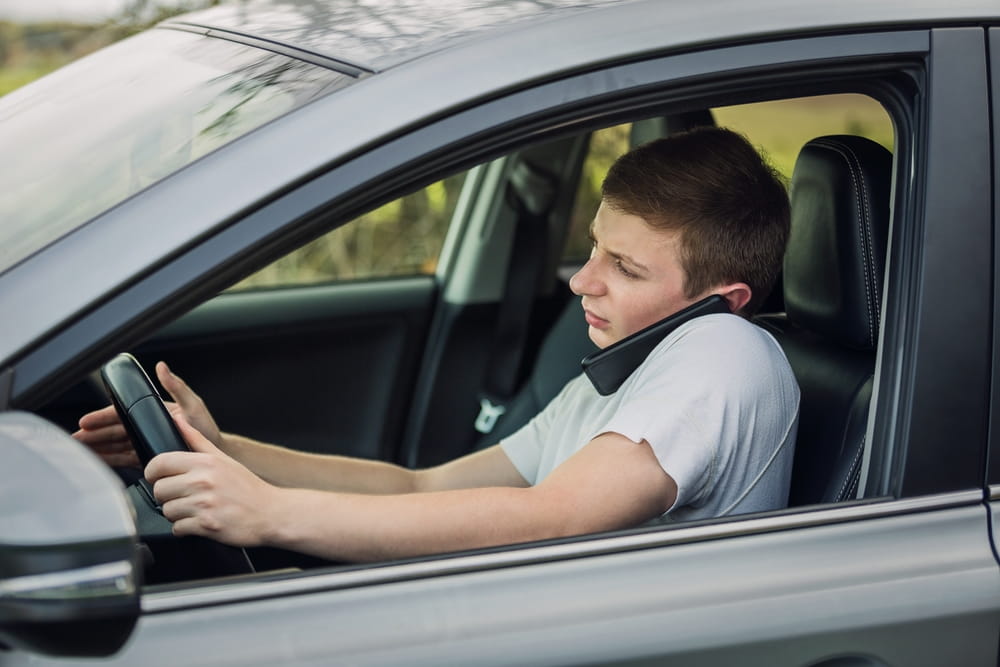
Proving duty status requires documentation that establishes exactly what the service member was doing at the time of the crash. This determination is not always obvious, and it often requires records that the injured person does not have direct access to.
Several types of evidence help establish whether the service member was on duty or off duty at the time of the accident. Each one addresses a different aspect of the duty status question.
- Military orders and duty rosters: Official schedules and orders show whether the service member was assigned to duty at the time of the crash.
- Leave and liberty records: Documentation of approved leave or liberty status confirms whether the service member was released from duty.
- Vehicle information: Whether the service member was driving a government vehicle or a personal vehicle helps clarify the nature of the activity.
- Trip purpose documentation: Evidence of what the service member was doing at the time, such as rideshare app records showing active Uber or Lyft driving, establishes whether the activity was personal or military-related.
- Command statements: In some cases, the service member's commanding officer may provide a statement confirming or denying that the individual was acting within the scope of military duties.
Gathering this evidence often requires formal requests or legal demands directed at the military branch. A military accident lawyer who is familiar with rideshare and military-related claims may help obtain these records through proper channels.
What Steps Help Protect Your Claim After a Naval Base San Diego Accident?
To protect your claim after a Naval Base San Diego accident, identify the service member's duty status, preserve all evidence of the crash, and determine whether the claim falls under federal or California law as early as possible.
Several specific actions help preserve a military rideshare accident claim. Each one addresses a challenge unique to cases that involve active-duty personnel.
- Document the service member's information: Name, rank, unit, and base assignment help establish identity and duty status. Photos of military ID or uniforms visible at the scene also help.
- Request the police report: The San Diego Police Department, Chula Vista Police Department, or California Highway Patrol documents the collision, depending on where it occurred.
- Save rideshare app data: If the service member was driving for Uber or Lyft, trip records and app status confirm that the activity was personal and off duty.
- Seek medical treatment promptly: Records from Sharp Chula Vista Medical Center, Naval Medical Center San Diego, or other local facilities connect injuries to the accident.
The duty status determination affects every decision that follows. Identifying it early prevents filing the wrong type of claim and missing critical deadlines.
Navy Rideshare Accident Questions Answered by Our San Diego Attorneys
Who is responsible if a Navy member causes an Uber accident in San Diego?
Responsibility depends on duty status. An off-duty service member driving for Uber faces the same California liability rules as any civilian. An on-duty service member acting within the scope of military duties triggers the FTCA, and the claim goes against the U.S. government.
What is the difference between on-duty and off-duty accident claims?
On-duty claims go through the federal government under the FTCA, which requires an administrative claim before any lawsuit. Off-duty claims follow standard California personal injury law and target the driver's insurance and the rideshare company's commercial policy.
Can you sue a Navy service member in California?
An off-duty service member may be sued like any other California driver. An on-duty service member acting within the scope of military duties is generally protected from personal liability, and the claim goes against the federal government instead.
What is a military insurance claim in a rideshare accident?
A military insurance claim refers to any claim where the service member's status affects which insurance applies or how medical costs are handled. It may involve rideshare commercial insurance, personal auto coverage, federal liability under the FTCA, or complications from TRICARE liens on the settlement.
Does Uber insurance apply if the driver is in the military?
Yes. Uber and Lyft's commercial insurance applies based on the driver's app status, not their military status. An off-duty service member driving for a rideshare company during an active ride triggers the same $1 million commercial policy that applies to any other driver.
Getting Answers After a Rideshare Accident Involving Navy Personnel

Rideshare accidents involving Navy personnel near Naval Base San Diego raise legal questions that standard claims do not address. The intersection of federal law, military duty status, California insurance rules, and rideshare company policies creates a process that requires careful navigation from the start.
Rawlins Law Accident & Injury Attorneys represents both civilians and service members involved in rideshare accidents across San Diego, Chula Vista, and the South Bay. The firm takes cases on a contingency fee basis, with no upfront costs and no fees unless the case results in compensation.
Injured in a rideshare accident involving Navy personnel in San Diego? Contact our San Diego-based personal injury law firm online or at (858) 529-5872 to schedule a free consultation. Injured in a crash? Call Ash.

Ashley Rae Rawlins
Founder and CEO - Rawlins Law Accident & Injury Attorneys
Personal Injury Attorney
Author's Bio